
The Best Herbal Teas for Sleep: 10 Calming Teas

Why a Good Night’s Sleep Matters
Sleep has become something I pay much more attention to.
I’ve noticed that when I don’t sleep well, the next day can feel so much harder. I can feel more tired, less able to concentrate and, for me personally, my pain can feel much more difficult to manage.
That’s one of the reasons I’ve become interested in creating a simple evening routine that helps me slow down and prepare for sleep.
I’m not saying a cup of herbal tea is going to magically fix a bad night’s sleep — it won’t. But I do think there is something valuable about creating little moments in the evening where we stop, make something warm and comforting, and give ourselves a chance to wind down.
And because I grow herbs and use them at home, I wanted to look at the herbal teas for sleep that are actually practical — herbs you might already have in your kitchen cupboard, grow in the garden, or easily buy dried.
So, if you’re looking for a calming bedtime tea, here are 10 herbs worth knowing about.t.
10 Herbal Teas for Sleep and Relaxation
Not every herb below has strong evidence for improving sleep, and I don’t want to pretend that it does. Some are traditionally used for relaxation, while others are simply lovely caffeine-free choices for an evening routine.
1. Chamomile Tea
Chamomile is probably the first herb most people think of when they hear herbal tea for sleep.
Those tiny daisy-like flowers are one of my favourites to grow, and when dried they make a delicate, floral tea.
Chamomile has been studied for sleep and relaxation, although the evidence isn’t strong enough to say it will work for everyone.
My pick: A simple cup about an hour before bed.
From my garden: Chamomile is one of the herbs I’d recommend growing if you want to start making your own herbal teas.
2. Lemon Balm Tea
Lemon balm has such a fresh, lemony scent that it’s hard not to love.
It’s also wonderfully easy to use as a tea, either fresh from the garden or dried for later.
Lemon balm has traditionally been used for relaxation, making it a lovely choice when your evening needs to feel a little calmer.
My pick: Lemon balm on its own or mixed with chamomile.
3. Lavender Tea
Lavender is one of those herbs that immediately makes me think of relaxing.
It’s better known for its fragrance and use in aromatherapy, but the flowers can also be used to make a delicate herbal tea.
I only use a small amount because the flavour can become quite strong.
My pick: A little lavender blended with chamomile rather than using a large amount on its own.
4. Peppermint Tea
Peppermint isn’t a traditional sleep herb, but it can be a very useful bedtime tea.
It’s naturally caffeine-free and has a wonderfully fresh flavour. I particularly like it after dinner, especially when I want something light rather than a heavy herbal blend.
My pick: After an evening meal.
From my garden: Grow peppermint in a pot if you can — it can spread very quickly.
5. Spearmint Tea
Spearmint is softer and sweeter than peppermint, which makes it a lovely alternative.
It doesn’t have a strong reputation as a sleep aid, but it makes a refreshing caffeine-free evening drink and works beautifully in blends.
My pick: Spearmint with lemon balm.
6. Ginger Tea
Ginger probably belongs more in the kitchen cupboard than the sleep category, but I wanted to include it because it is one of the herbs I use regularly.
Fresh ginger, hot water and a little lemon make a warming evening drink, particularly when the weather is cold.
It’s not something I’d describe as a sleep treatment, but it can be a comforting part of an evening routine.
Try next: Ginger & Lemon Tea (link to your future recipe/article)
7. Fennel Tea
Fennel seeds are another easy cupboard ingredient that can be turned into a simple herbal infusion.
The flavour is naturally sweet with a gentle aniseed taste, and many people enjoy fennel tea after meals.
Again, I’d think of this as an evening herbal tea, rather than claiming it is a sleep remedy.
My pick: After dinner when you want something warm and simple.
8. Rose Tea
Rose petals make a beautiful, delicate herbal infusion and can bring something a little different to your evening routine.
I love herbs and flowers that are not only useful but beautiful too, and rose tea fits perfectly into that idea.
My pick: A gentle rose and chamomile blend.
9. Passionflower Tea
Passionflower is more commonly associated with calming and bedtime herbal blends.
Some research has looked at its possible effects on sleep and relaxation, although evidence is still limited.
This is one I’d be more inclined to buy as a properly prepared herbal tea rather than grow and experiment with myself.
My pick: Look for it as part of a ready-made bedtime blend.
10. Valerian Root Tea
Valerian has been traditionally used for sleep and is one of the better-known herbal ingredients in bedtime preparations.
Research is mixed, however, and valerian has quite a strong earthy smell and flavour.
It’s also one of the herbs I’d treat with more caution rather than simply picking from the garden and making a cup.
My pick: Learn about it first and check that it’s suitable for you.
 Tangerin
 Lime
Lime Orange
MAKE BEDTIME A RITUAL
Aliquam erat volutpat. Aliquam erat volutpat. Fusce quis malesuada risus, sed luctus sapien. Aenean et leo sollicitudin, fringilla nisl eget, ultricies enim. Vestibulum ipsum ipsum, molestie ut imperdiet at, malesuada id leo. Ut mauris purus, imperdiet a eleifend quis, congue quis tellus.
Vestibulum ante ipsum primis in faucibus orci luctus et ultrices posuere cubilia curae. Aenean quis felis at dolor varius aliquam quis a lacus. Vivamus purus metus, tincidunt id consectetur ut, dapibus nec erat.
Donec viverra tellus vitae dictum scelerisque. Praesent lobortis dictum justo vel gravida. Etiam nunc ipsum, posuere in lacus quis, pretium condimentum tortor. Donec orci arcu, tempor ac massa in, vestibulum eleifend lacus.
Aliquam vel luctus ante. Phasellus quis quam neque. Phasellus vel sem id diam ultrices volutpat ac eu urna. Integer bibendum justo quam, in finibus ex imperdiet eu. Proin sit amet velit consequat, interdum nunc eu, congue tellus.
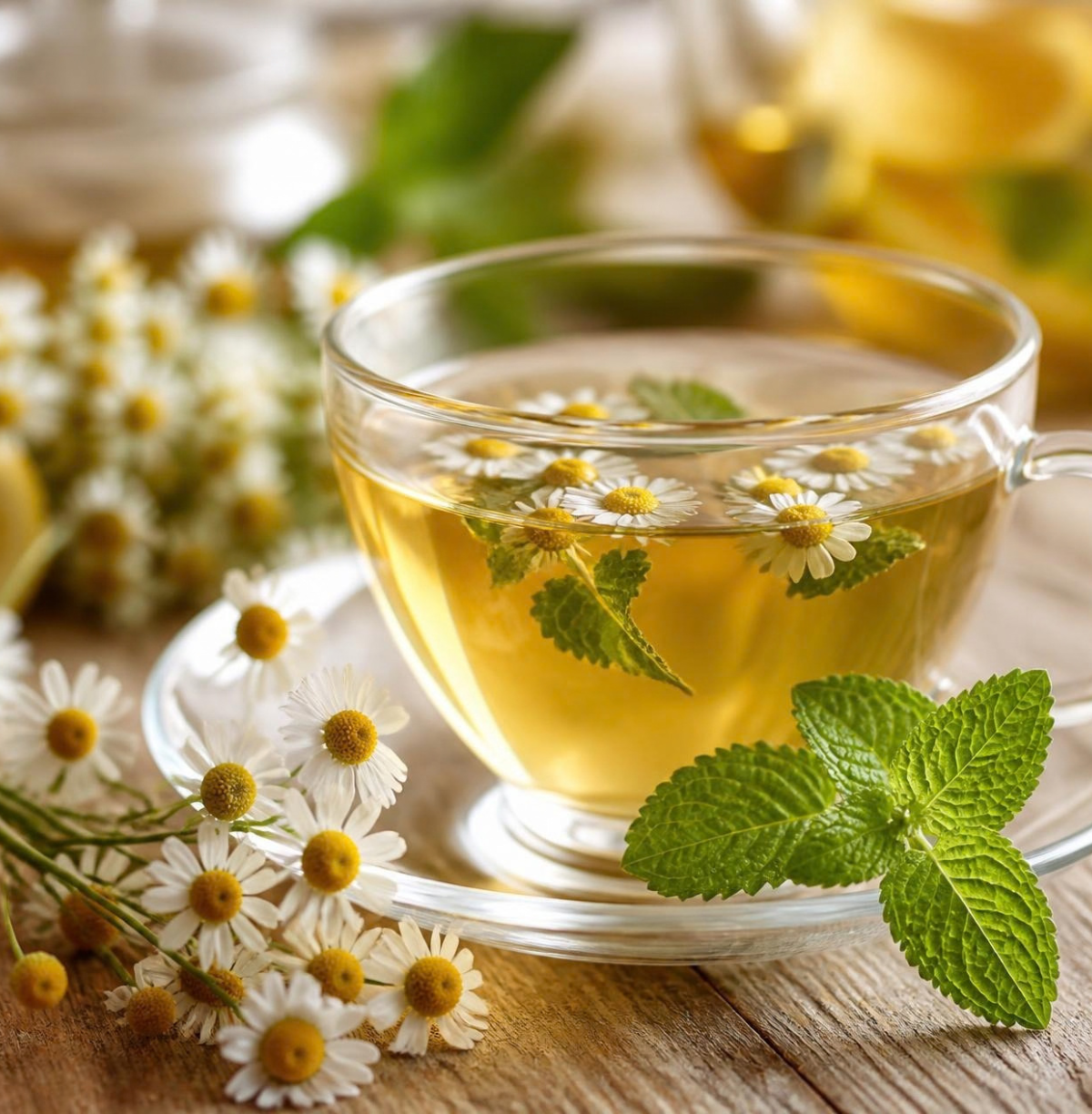
Chamomile & Lemon Balm Tea
Ingredients
Equipment
Method
- This is one step of instructions. Add 2 tsp dried lemon balm and, 2 tsp dried chamomile flowers to mug or teapot
- Pour over 400ml of freshly boiled water.
- Cover and allow to steep for 5–10 minutes.
- Strain into your favourite cup.
- Add a your honey and lemon ( this is optional ) and stir . Then simply sit down and enjoy it.